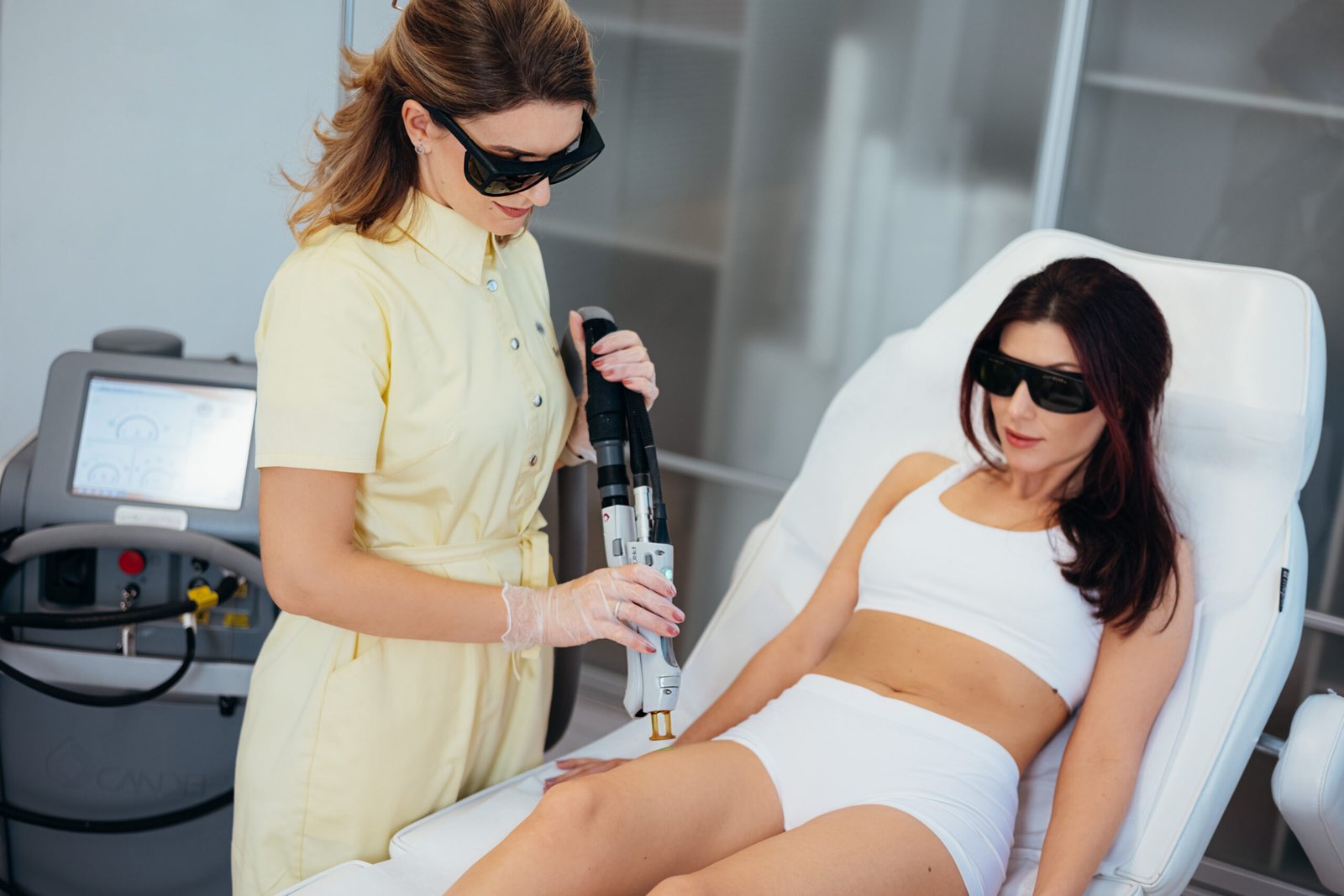
The question Is laser hair removal harmful? It is very common in our practice and therefore deserves special attention. A wide variety of problems are attributed to this hair removal method, such as itching, rashes, spots, burns and moles. We frequently receive enquiries such as „Does laser hair removal damage the ovaries??“ from women who are pregnant or trying to conceive. We sometimes hear or read even alarming claims, such as that the procedure causes cancer due to radiation exposure.
Our team of experts can answer all these questions – and even more besides – laser centre Body Aesthetics will answer this question in this article. In short, the answer to the question „Is laser hair removal harmful?“ is ‘no’. However, you will also learn why this is the case, as well as what the contraindications are for undergoing this popular procedure.
 Many women are concerned about the question: „Does laser hair removal damage the ovaries?“. Some even refuse to undergo the procedure altogether out of a deep-seated fear that it might cause infertility. However, there is no evidence to support this claim, and the explanation is simple. Laser light penetrates the skin only very shallowly – just 7 mm thick. It is directional light, which is absorbed solely by the melanin in the hair. Furthermore, the laser light is converted into heat and actually reaches and destroys the hair follicle. It is impossible for the impulse to reach any internal organ, including the ovaries. It cannot even pass through the abdominal muscles, so there’s no need to worry.
However, if you are already pregnant, we will not be able to book an appointment for laser hair removal. You will first need to go through pregnancy and, if applicable, breastfeeding. We’ll need to wait until your menstrual cycle has returned to normal – you should have had at least three regular cycles. This is a sign that your hormone levels have returned to normal and won’t interfere with the results of the laser hair removal treatment.
The main reason we focus so much on hormone levels, however, is not just the fluctuating results if they are outside the normal range. During pregnancy, the increased levels of oestrogen boost melanin production. This carries a risk of pigmentation spots forming, which are very difficult to remove afterwards. And, last but not least, No clinical trials have been conducted on pregnant or breastfeeding women, this is not standard practice. That is why, at Body Aesthetics, we make a point of not experimenting.
A rash following laser hair removal is not a common occurrence. If it does happen, however,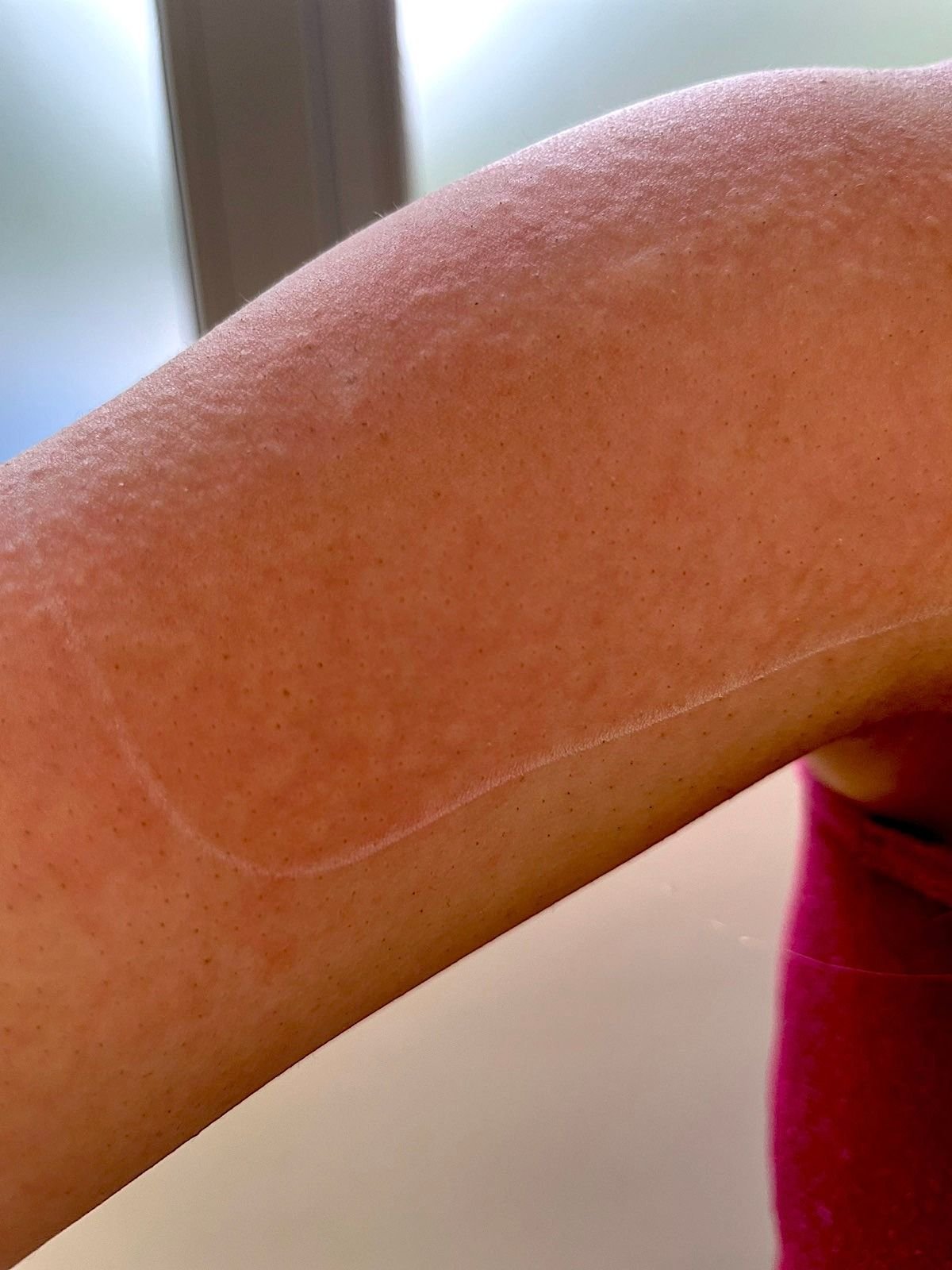 the reasons must be sought elsewhere, not in the procedure itself. Based on our experience, a rash may occur as an allergic reaction to sun protection products or certain medications used to moisturise the skin following laser hair removal, which are applied whilst you are still in the clinic. However, it is extremely important to emphasise that this would be an individual reaction, and a very, very rare one at that.
Do not confuse the so-called perifollicular oedema with a rash following laser hair removal! This is a very important and desired effect of laser hair removal. It is normal for redness and tiny „pimples“ to appear after the treatment; these occur at the points where each hair would normally emerge. This effect is known as perifollicular oedema of the hair follicles. It appears as slight redness in the form of small dots, which may be raised and swollen. Perifollicular oedema is actually an excellent sign of successful and effective laser hair removal treatment. It occurs when the hair follicles are burnt or ruptured. These spots fade over varying periods of time, depending on skin sensitivity – minutes, hours or days. We explain this effect in detail during consultations.
Itching may occur after laser hair removal if the skin is very dry before and after the session. Laser hair removal is a procedure that causes the skin to heat up slightly, and the cooling anaesthetic system can also cause the skin to dry out within a few minutes, which may lead to itching. To alleviate this, simply moisturise the skin with a suitable product after the session. Panthenol, which is used for burns, for example, works wonders on very dry skin. If our clients have dry skin, we warn them about this effect and provide instructions on how to deal with the problem.
Pigment spots following laser hair removal are not caused by or due to the procedure itself. The light-sensitive cells in the skin that produce melanin become more sensitive following laser hair removal. Pigmentation may occur following prolonged exposure to the sun without the use of sun protection. If, following laser hair removal, you avoid direct exposure to the sun for at least 10–14 days and use sun protection strictly, as we explain during our consultations, the risk of pigmentation spots is minimal.
You should not suffer any burns from laser hair removal provided that the following are observed:
Scars resulting from laser treatment are extremely rare, and even then only if a human error occurs. However, when there are highly qualified specialists, such as those at Body Aesthetics, this simply cannot happen. There are several ways to minimise the risk of being left with scars after a sunburn. For a certain period of time, you should keep your skin moisturised and avoid exposing it to direct sunlight. If you do go outside during that time, then, Use high-quality sun protection products. This applies even on cloudy days.
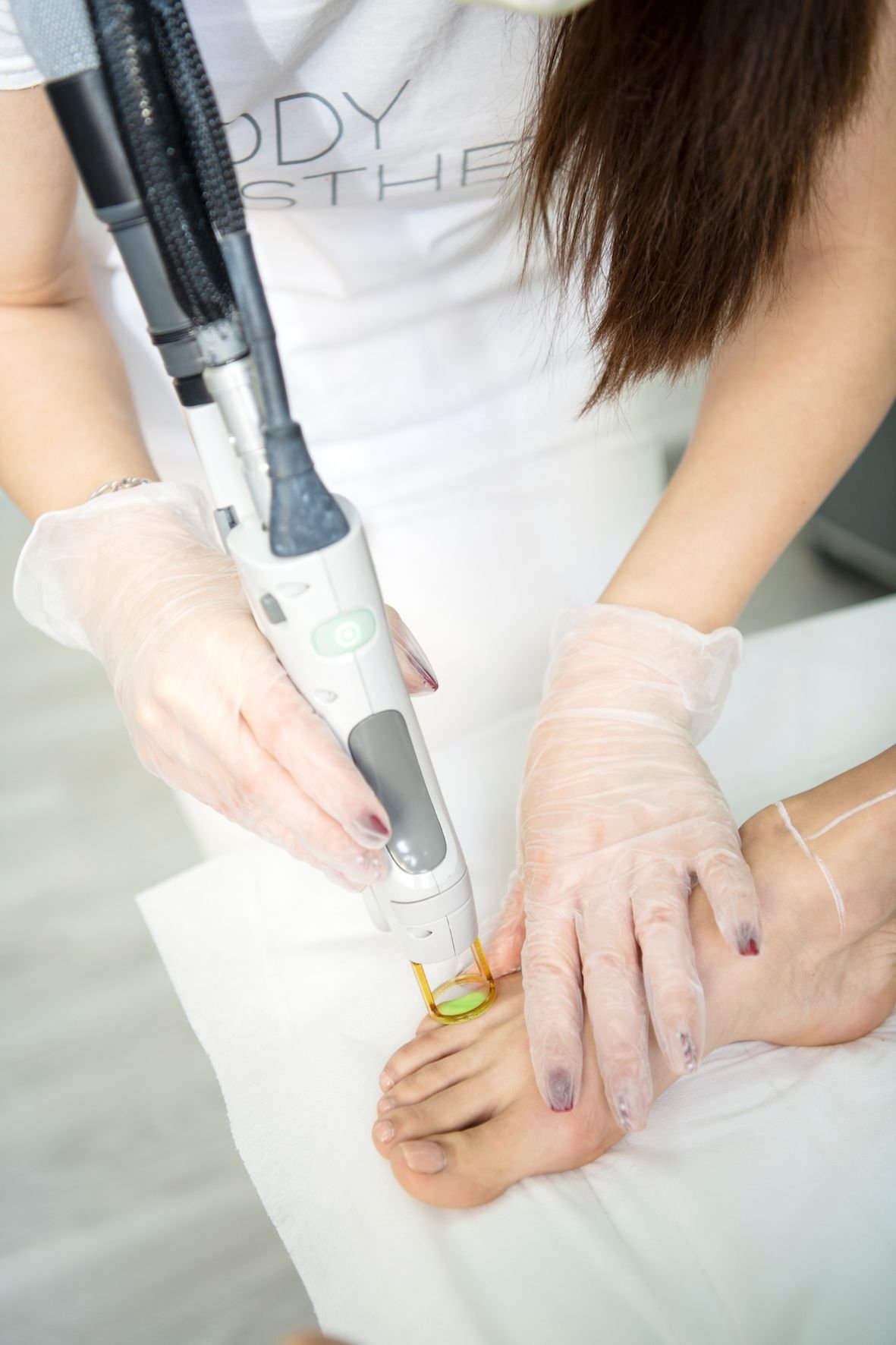 If there is any reason to suspect that the settings we are due to use might cause a reaction, at Body Aesthetics we always recommend two things. The first is to carry out a few test shots on a small area of the treatment zone. The second is to wait at least 12–24 hours to see if a reaction develops. Only then do we proceed with the treatment. It is important to note that At our laser centre, we have also introduced measurements using a melanin analyser. It measures the amount of melanin in the skin at the time of the treatment and provides us with much more specific information as to whether it is safe to proceed. With this important information, our therapists can adjust the settings much more precisely.
Side effects are kept to a minimum when the therapist provides the patient with thorough information during the consultation and when both parties work together to achieve results. During the initial consultation for laser hair removal, we always emphasise how important it is not to withhold or misrepresent any information. This applies, for example, to sun exposure, and we explain the risks involved to the client. If you have been exposed to the sun and have recently developed a tan, there is a high risk of sunburn following laser hair removal. If you are exposed to the sun after the treatment, pigmentation may also occur.
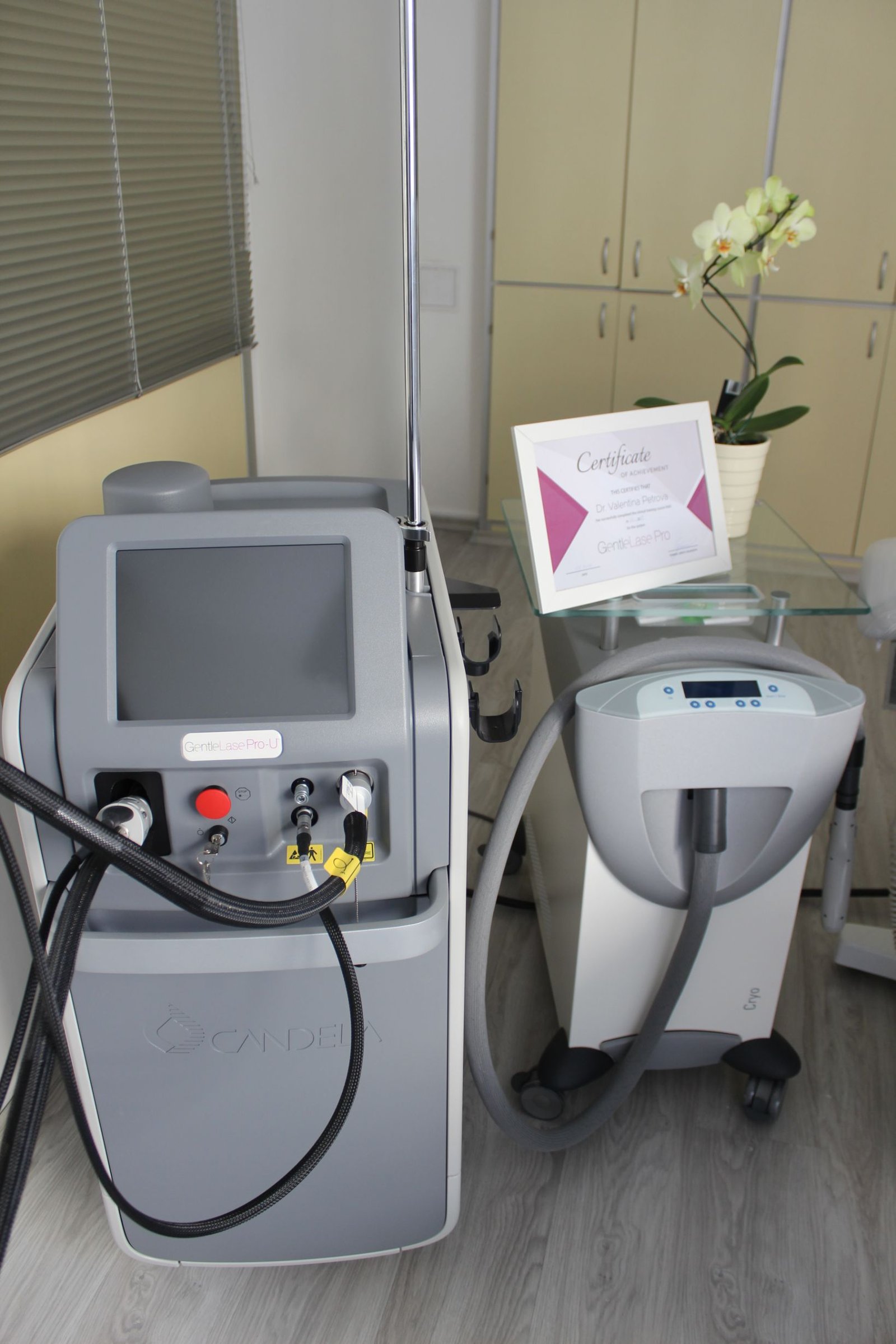
We go to great lengths to keep our visitors informed and to ensure their safety and security. In January 2020, we introduced a certification scheme for its services. It proves that we use genuine equipment, which holds all the relevant European and American safety certificates. It also proves that we use the manufacturer’s original consumables in the required quantities and follow the original protocols to the letter, without cutting any corners. Our team consists entirely of healthcare professionals, who have undergone training and practice and are constantly improving their knowledge and skills. This is very important because, ultimately, even the best technique in inexperienced hands may fail to produce results or may even cause harm.
Today’s laser hair removal devices allow for the use of various settings, which can be individually adjusted to suit each person’s skin type and the type of hair. If the practitioner performing the procedure has sufficient experience and knowledge, and the available laser hair removal device Its safety has been proven in numerous clinical trials, and the risk of side effects such as burns or pigmentation has been minimised.
However, this does not mean that such reactions cannot occur today. Many laser centres use obsolete lasers or second-hand equipment without technical maintenance. There are also some who have technologies that are not sufficiently secure. This often undermines the reputation of laser hair removal as a whole, not least because of the lack of results. As well as a tried-and-tested machine, make sure you put your trust in an experienced and qualified team.
If you are wondering whether laser hair removal is dangerous in terms of causing cancer, the following lines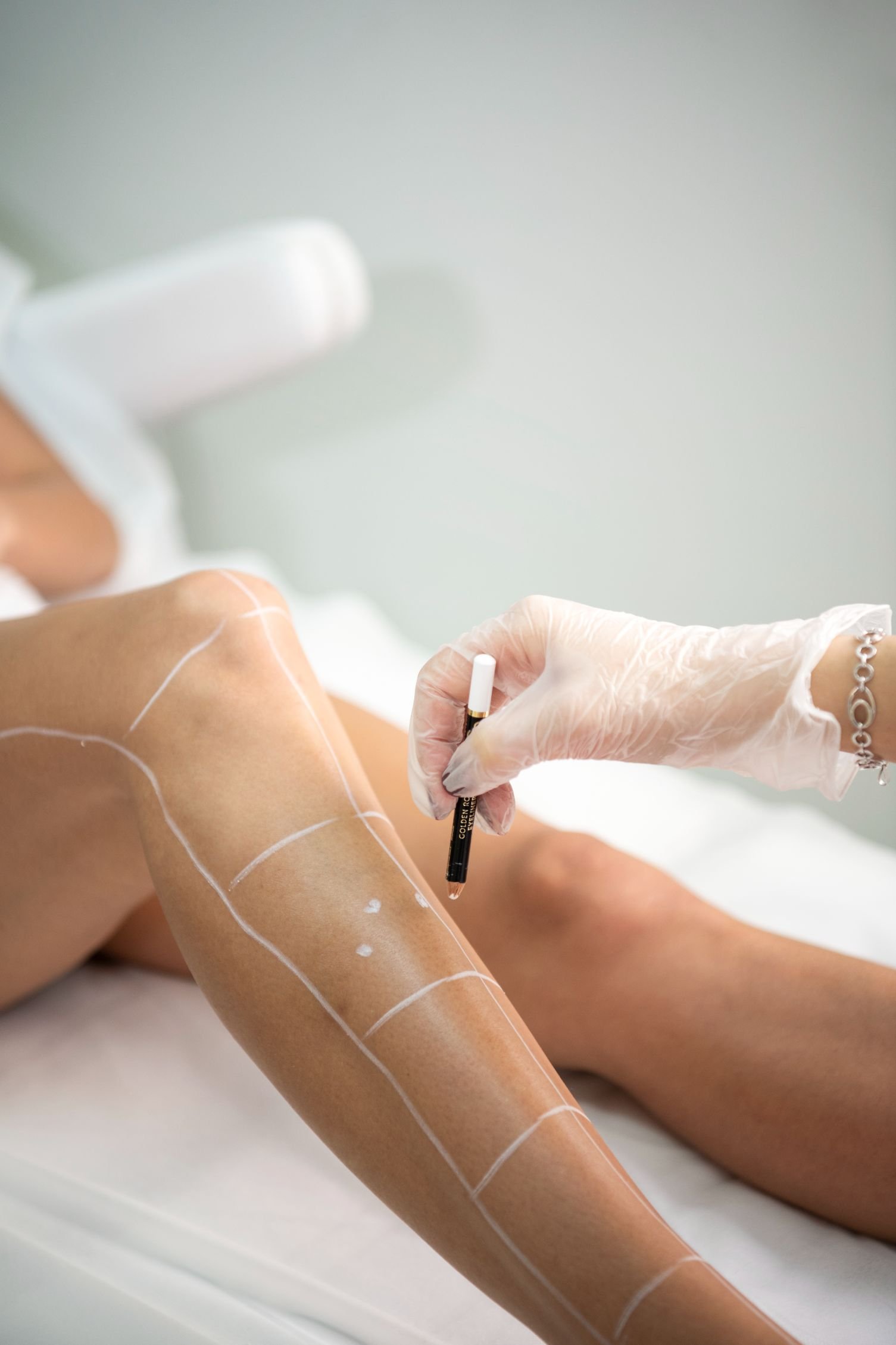 will put your minds at rest. So far, in the world There is not a single known case of skin cancer resulting from laser hair removal. And this is despite the fact that this method has been in use across the globe for around 25 years. Laser energy has generally been used in medicine for 50 years and, over that period, has proven to be completely harmless.
The very word „radiation“ instils fear because of its associations, primarily with the tragedies caused by radioactive contamination from nuclear power stations in the past. The acronym LASER stands for Light Amplification by Stimulated Emission of Radiation. Unlike ionising electromagnetic radiation (ultraviolet, X-rays and gamma rays), which causes radiation sickness, noIonising radiation (used in laser hair removal) does not produce enough energy to cause DNA damage or cancer.
Skin cancer is caused by mutations in certain cells, and it is believed that the sun’s UV rays are one of the possible causes. UV rays, however, fall within the short wavelength range of light, whilst the wavelength of the pulses emitted by hair removal lasers is in the long – from 755 nm to 1064 nm. The laser pulse is absorbed by the melanin (pigment) in the hair. There, the light from the pulse is converted into heat and destroys the hair follicle, without affecting the surrounding tissue.
Skin cancer is caused by abnormalities in moles. When treating moles with a laser, they are not simply bypassed, but must also be outlined with a white pencil. This means that the laser light cannot affect them in any way.
It can be summarised that Laser hair removal is dangerous and harmful only when:
We have already written in more detail about the general risks involved in subjecting laser hair removal. Now we’d like to reassure you that Our medical equipment has been approved by the leading regulatory bodies in the US and the EU. These are, respectively, the FDA (Food and Drug Administration, the US Food and Drug Administration) and the MDD (Medical Devices Directive). As for our team, we have already mentioned that it is composed entirely of qualified medical staff.
The short answer is „yes“ – there are contraindications for laser hair removal. Absolutely It is not advisable to undergo this procedure during pregnancy due to a lack of sufficient clinical studies on this group. The same applies in cases of cancer or a history of cancer, epilepsy, and certain skin conditions (such as vitiligo). Laser hair removal is contraindicated if you have a tan – regardless of whether it is from the sun, a solarium or self-tanning products. Certain conditions and illnesses may require further consultation with a specific specialist.
With laser hair removal moles are marked with a white pencil and circled. Varicose veins In the treated area, they are not, in principle, an absolute contraindication. However, there are more specific cases in which heat application may cause harm, and in such instances, prior consultation is required. Laser hair removal can be performed on capillaries and capillary networks. In the case of pigment spots depends on the pigmentation.
We hope we have put your mind at rest with our answers to the question of whether laser hair removal is dangerous and harmful. When there is the perfect combination of state-of-the-art equipment and highly qualified medical staff, there is absolutely no cause for concern. This is exactly what you’ll find at Body Aesthetics. Not only will you get rid of unwanted hair, but you’ll also enjoy the much-desired positive side effects of the treatment.
The first of these is removal of ingrown hairs. Most disappear after the very first treatment and never reappear. Furthermore, GentleLase Pro It is also used for laser rejuvenation and the treatment of pigmentation spots. This means our visitors also benefit from a second, highly desirable side effect. This consists of improved skin texture, leaving the skin soft and smooth, as well as the disappearance of the small bumps that usually appear after waxing or shaving.
So take a look at our laser hair removal prices and book a detailed, professional and completely free consultation with our team of experts. The confidence this treatment gives each and every one of our visitors changes everything.
The material Is laser hair removal harmful? – Everything you need to know about whether and when it is dangerous was first published on Body Aesthetics.