
Everyone wants smooth skin free from unwanted hair and an even tan at the same time. But trying to build up a beautiful tan can undermine the results of laser hair removal or even increase the risk of side effects – such as burns and pigmentation. There is no need to avoid laser hair removal during the summer months; you simply need to be well-informed and plan your treatments carefully.
Today we’re answering the questions most frequently asked by our customers:
 A sun-kissed tan and laser hair removal
UV rays increase the level of melanin in the skin. This means that the laser beam is scattered and absorbed not only by the hair follicle but also by the skin, which increases the risk of burns and pigmentation. Sunbathing has health benefits for the body, provided we are careful and do not overdo it. Moderate sun exposure aids vitamin D synthesis and improves mood, synchronises our biological clock, and supports a range of physiological processes in our bodies. However, excessive sun exposure can lead to premature ageing, damage to collagen and even an increased risk of skin conditions.
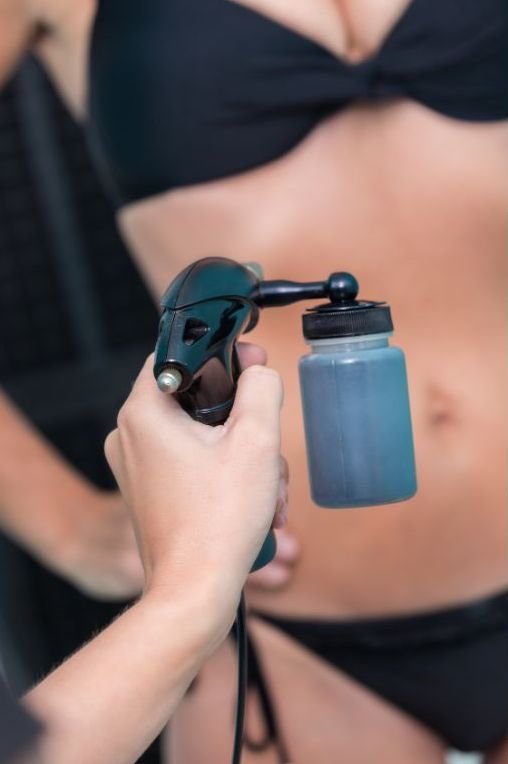 The chemical pigments in spray tans and self-tanners create an uneven layer on the epidermis. During the procedure, the laser energy is absorbed by the pigment more strongly than by the normal melanin in the hair follicle, which can lead to localised overheating and burns, as well as a chemical reaction with the ingredients of the spray tan or self-tanner. Furthermore, the uneven distribution of the product makes it difficult to reach all the follicles, reducing the effectiveness of the hair removal. Apart from the difficulties with laser hair removal, these methods of achieving a tan can also have other harmful effects. The chemical ingredients can block pores, cause irritation or allergic reactions, particularly on sensitive skin. So be careful and always test them first on a small patch of skin.
Tablets that stimulate melanin production increase the overall melanin content in all layers of the skin. Laser energy is absorbed more readily by this additional melanin, so it can overheat the skin and cause burns or pigmentation disorders. A high background level of melanin also makes it difficult to direct the energy precisely to the hair follicle. Bear in mind, too, that the safety of some of the active ingredients in these tablets is disputed – for example, in the US and the EU, canthaxanthin is not approved as „sun tan supplement“due to the risk of deposits in the retina and liver stress. Taking such supplements often leads to an uneven complexion or hyperpigmentation, which complicates both aesthetic concerns and skincare.”.
UV rays in a sunbed promote an even tan, but at the same time increase melanin levels in the dermis. This leads to greater absorption of laser energy by the skin and an increased risk of burns and adverse reactions. Furthermore, the drying and roughening of the skin caused by frequent visits to a solarium disrupt its natural balance, which can lead to irritation and even micro-cracks. Long-term use of sunbeds is associated with accelerated ageing and a significantly increased risk of melanoma; therefore, this is the method we most strongly recommend our clients avoid.
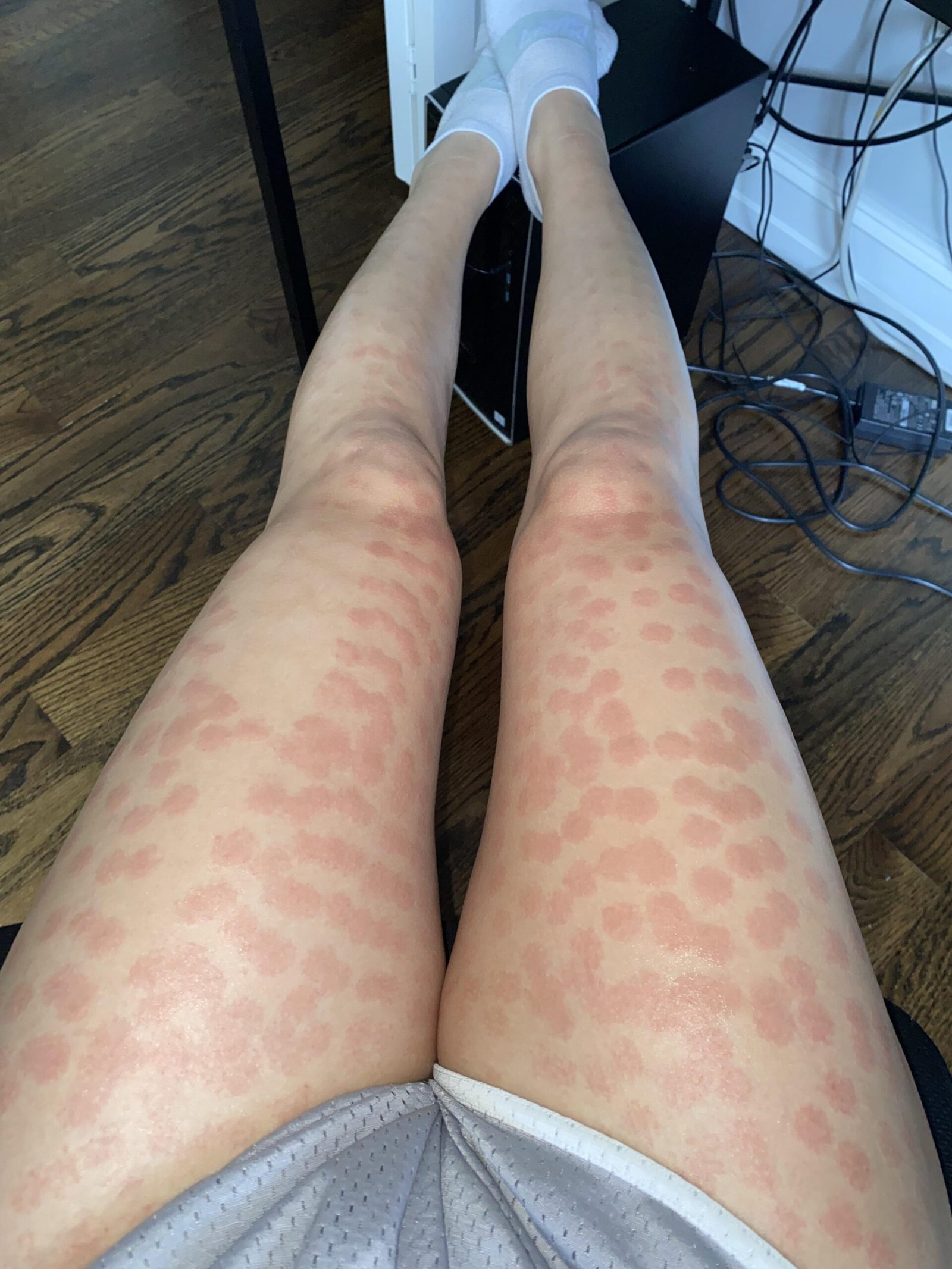 1. What will happen if I go out in the sun before laser hair removal?
Before the treatment, a tan increases the level of melanin in the skin, which raises the risk of sunburn and uneven pigmentation. For best results, avoid direct sunlight for at least two weeks before your session and use broad-spectrum sun protection (SPF 50+), and in summer, cover the areas we’ll be treating with light, cool clothing when you’re outdoors for long periods.
After  After the treatment, the skin remains sensitive; early exposure to UV rays may cause redness and permanent pigmentation. Wait at least two weeks before intense sun exposure; apply sun cream and soothing products such as aloe vera, and moisturise your skin well.
A sunbed increases the concentration of melanin in the skin, which may reduce the effectiveness of subsequent sessions. When there is a lingering tan, we cannot increase the energy level as is recommended as the course of treatments progresses. Even after the first treatment, the hairs become finer, which means we need to work at higher settings. If you’d like a tan, please plan your visits outside your active hair removal course, or consult our team for an optimal schedule. Here is an example of how this is possible.
Yes, with proper planning and by choosing the right laser – particularly an Nd:YAG laser – you can safely combine tanning with laser hair removal.
Plan your treatments together with your therapist. The widespread practice (which is either a marketing ploy aimed at making a profit or simply a lack of knowledge on the part of unprofessional therapists) of carrying out laser hair removal treatments on all areas within a single month is completely wrong. Treatments are carried out at intervals of:
– 30–45 days for the face
– 45–60 days for the torso and arms
– 60–90 days for the legs
The first two or three treatments are carried out at the shortest possible intervals, after which the intervals are lengthened; for the final treatments, the interval may even be longer – we are waiting for steady growth in the area.
These intervals between sessions allow us to plan any holidays. It is important not to deliberately build up a tan.
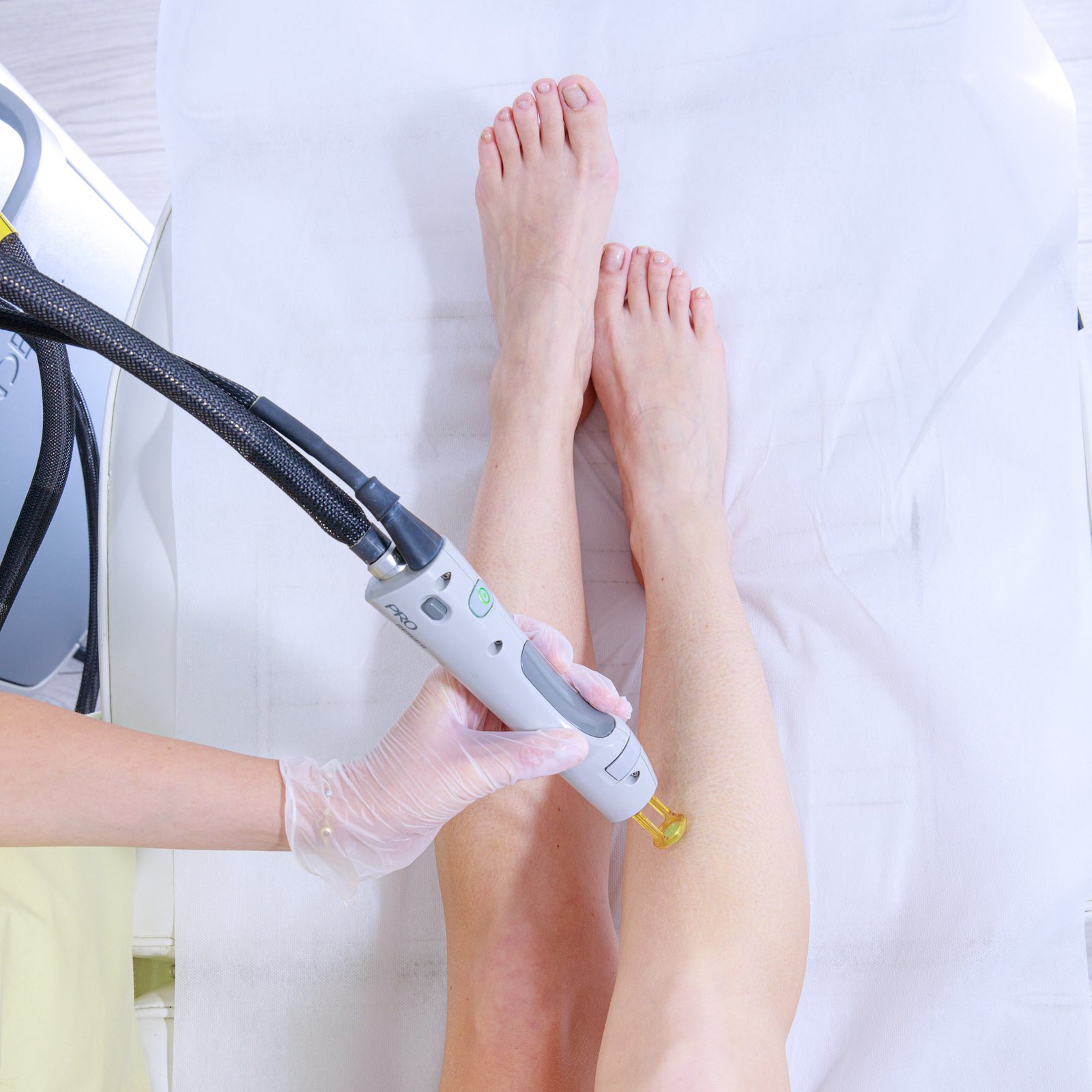 Sample plan for laser hair removal on foot area
Procedure 1: 10 July
Procedure 2: 10 September
Session 3: 10 November
Procedure 4: in February
Procedure 5: in May’s garden
Step 6: when you notice new growth – this may be at the end of summer or the start of autumn
As you can see, you can go on a two-week holiday and still stick to the 14-day period of avoiding sun exposure after your treatments. That way, even during the busy summer months, you’ll be able to enjoy smooth skin at all times.
We’re using the legs as an example because this is usually the area that’s hardest to keep in shape during the summer months; the arms come next, but the situation is similar there.
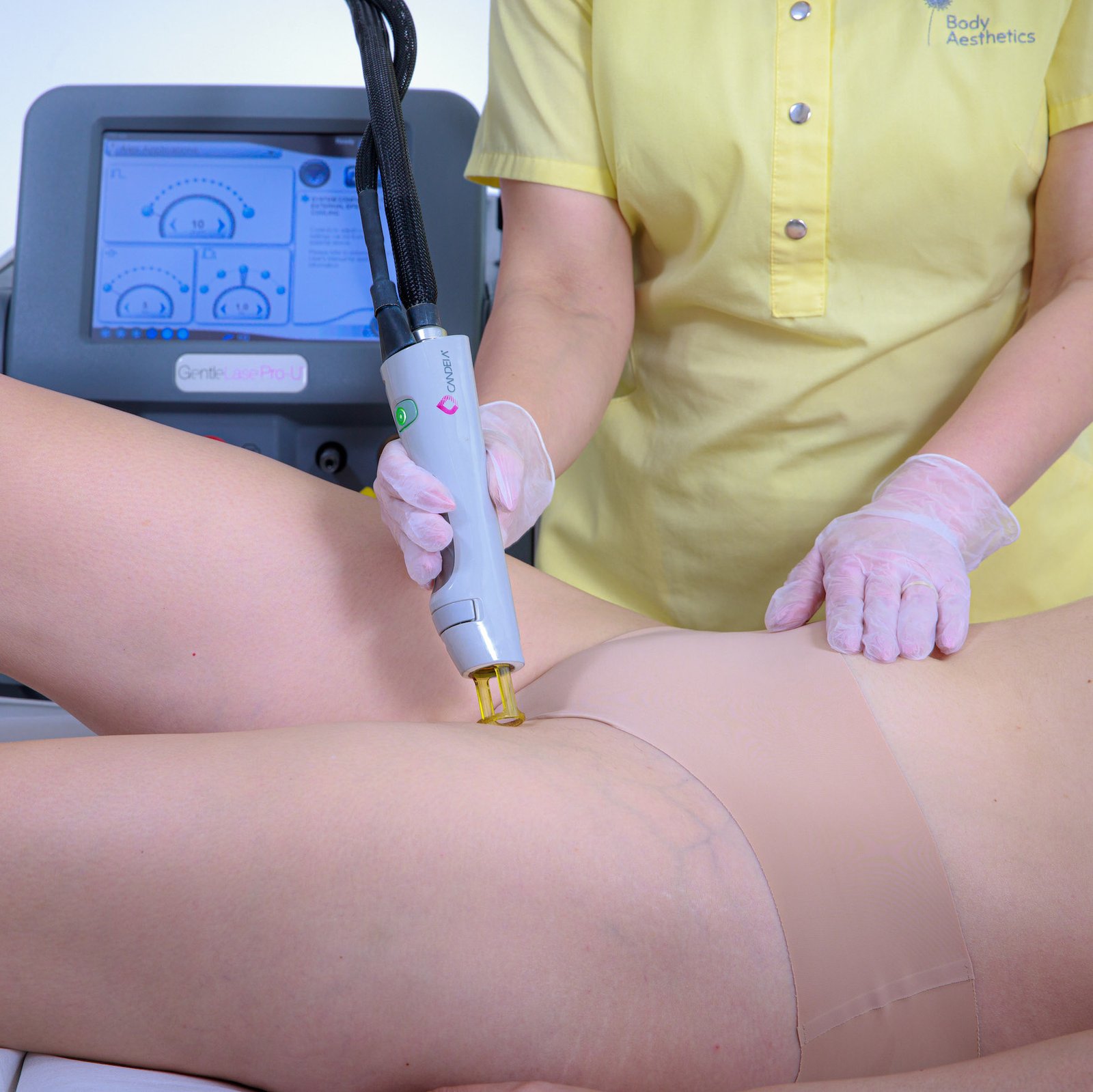 Laser hair removal plan on сsensitive areas such as the genital area and armpits are
They’re incredibly easy to plan, and we hardly ever have to take our seaside holidays into account.
It’s the most difficult. Firstly, because it’s visible; secondly, because it’s carried out over the shortest period of time; and thirdly, because it is a very stubborn area with far more hair follicles per square centimetre, and in most cases we carry out more treatments there – 8–10. It is absolutely essential to protect this area during the summer for at least one year whilst we are actively carrying out the treatments! However, we have noticed that most women who have a problem with unwanted facial hair are prepared to sacrifice a year’s tan in exchange for the incredible comfort they have always dreamed of.
В laser centre At Body Aesthetics, we have always strived to offer a comprehensive range of services for every skin type, using state-of-the-art equipment. That is why we have added the Gentle Max ProPlus to our extensive „arsenal“ of services – Candela’s newly developed alexandrite + Nd:YAG laser for hair removal, skin rejuvenation and regeneration. It can be used both on tanned skin and on darker skin types (phototypes IV, V and VI). This is particularly important in the summer, when we are exposed to the sun and want to have both smooth skin and a tan.
They are several times more efficient than diode lasers because of their wavelength (1064 nm compared with 855 nm for diode lasers). However, due to preconceptions about them and the much higher cost of the devices, they are rarely used. The Gentle Max ProPlus has changed that. Whilst standard Nd:YAG lasers have a laser spot size of 3 to 5 mm and a maximum pulse duration of 10 ms, the Gentle Max ProPlus has a spot size of 12–26 mm and a pulse duration of 2 ms. This makes it significantly faster. The Gentle Max ProPlus technology itself is also innovative – its beam is divided into equal sub-pulses. This distributes the energy evenly, which makes feels many times more comfortable.
Nd:YAG lasers have the longest wavelength, which means they penetrate deepest into the skin. They do not act directly on the hair follicle, but cut off its blood supply.
There is another very important advantage to this type of laser. After an Nd:YAG laser treatment, you can go out in the sun 72 hours later, whereas with an alexandrite laser you must wait at least two weeks.
The diode laser is suitable for light and medium-dark skin tones. Although it is safe, it operates at a shorter wavelength and, for darker skin tones, the settings must be reduced, which may diminish its effectiveness and the results. It is a safe method of hair removal for people with tanned skin, but is not as effective as Nd:YAG lasers.
| Indicator | Nd:YAG laser | Diode laser |
| Wavelength | 1064 nm | 755–810 nm |
| Suitable for dark skin | Yes | Limited (with reduced settings) |
| Number of procedures | 6–8 | 8–12 |
| Duration of effect | Long-lasting | Average |
| Discomfort | Average | Medium–low |
Conclusion
Plan your schedule carefully so that it allows you to combine the accumulation of ten и laser hair removal no compromises. By choosing the right laser – especially Nd:YAG – and by spreading the treatments out over the year, you can enjoy smooth skin and an even tan.
DON’T PUT OFF laser hair removal any longer. Getting a tan is nothing compared to the luxury of never having to think about hair removal again, or reaching for a razor for 7–8 months. Choose medical laser hair removal, an experienced practitioner, invest in the treatments, give them a year, and soon we’ll hear you say the phrase most often repeated by our clients: „I can’t believe I waited!“
Book a consultation at Body Aesthetics and get a personalised hair removal plan + lifetime guarantee today!
The material Tanning and laser hair removal: risks and solutions was first published on Body Aesthetics.