This is one of the most common and most frequently asked questions. Not because it is technically complex, but because it triggers fear in clients that the procedure might lead to a malignant condition. We understand these concerns. We have performed hair removal on over 6,000 people over the past 8 years, and we know that your peace of mind is our top priority. Here are all the answers!
Is laser hair removal dangerous if you have moles?
The short answer is: NO
👉 Laser hair removal It is safe when carried out correctly. However, moles require special attention, and there are specific rules for laser hair removal on skin with moles.
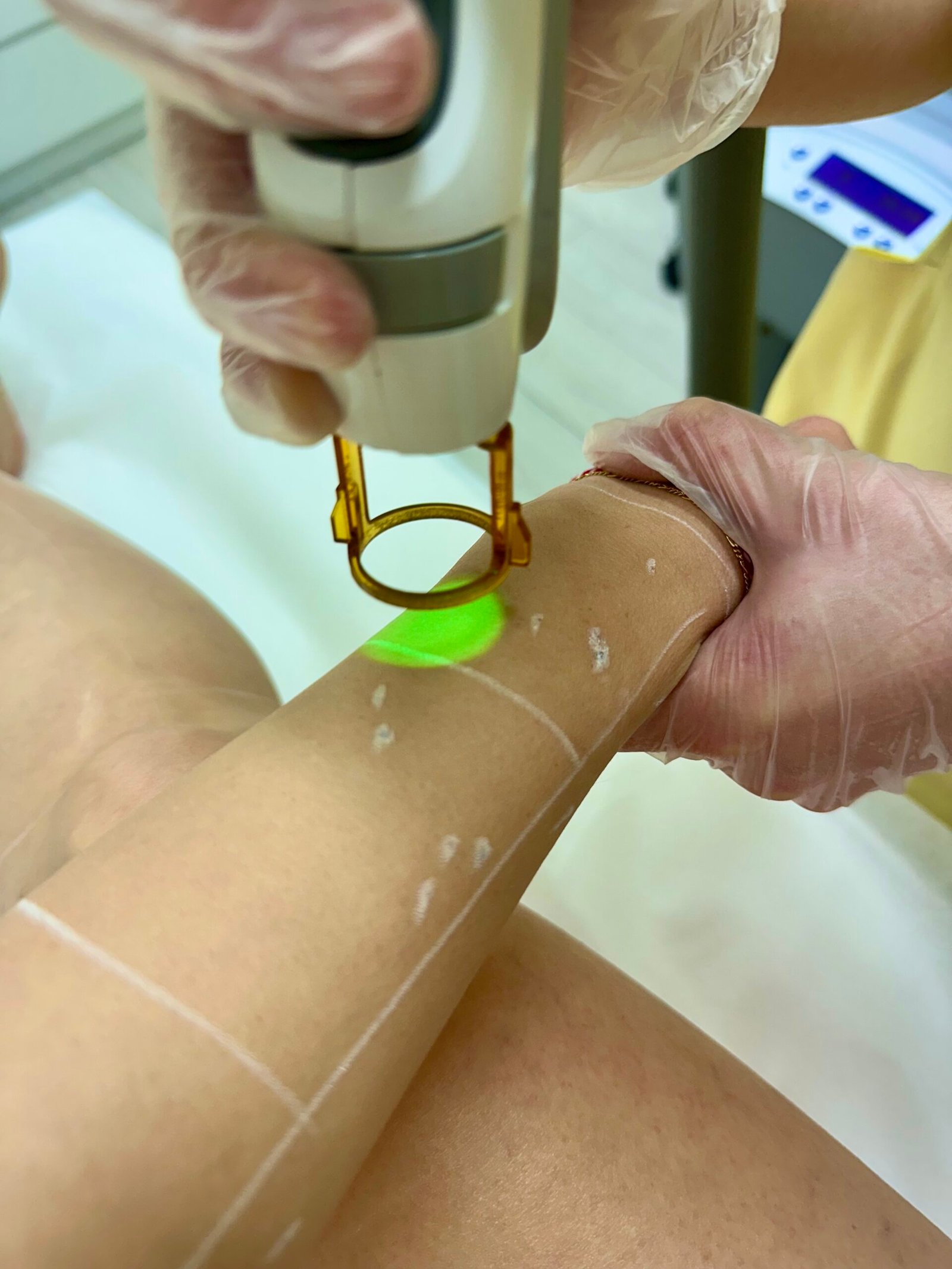 Laser light is absorbed by the pigment (melanin) in the hair.
The same pigment is also found in moles.
Therefore:
- The laser „sees“ the mole
- and can react with it
But that does not automatically mean there is a risk.
Recent research shows that:
- Laser hair removal, which has been widely used for decades, does not cause skin damage or pose any risks
- there is no evidence that it causes skin cancer or melanoma – take a look at this study, published in National Library of Medicine (PubMed)
Can a laser burn off a mole?
👉 Yes — if the mole is not protected or is not working properly.
The reason is simple:
Moles contain more of the pigment melanin, which is why they absorb more light energy during laser hair removal. Consequently, they can become hotter than the surrounding skin and react.
Possible reactions are:
- redness and irritation
- a minor burn (superficial)
- crust formation
- temporary change in colour
This is what happens rare and usually superficial, but that is precisely why Professionals NEVER work directly on moles.
Are there any real risks involved in having laser hair removal carried out on skin with moles?
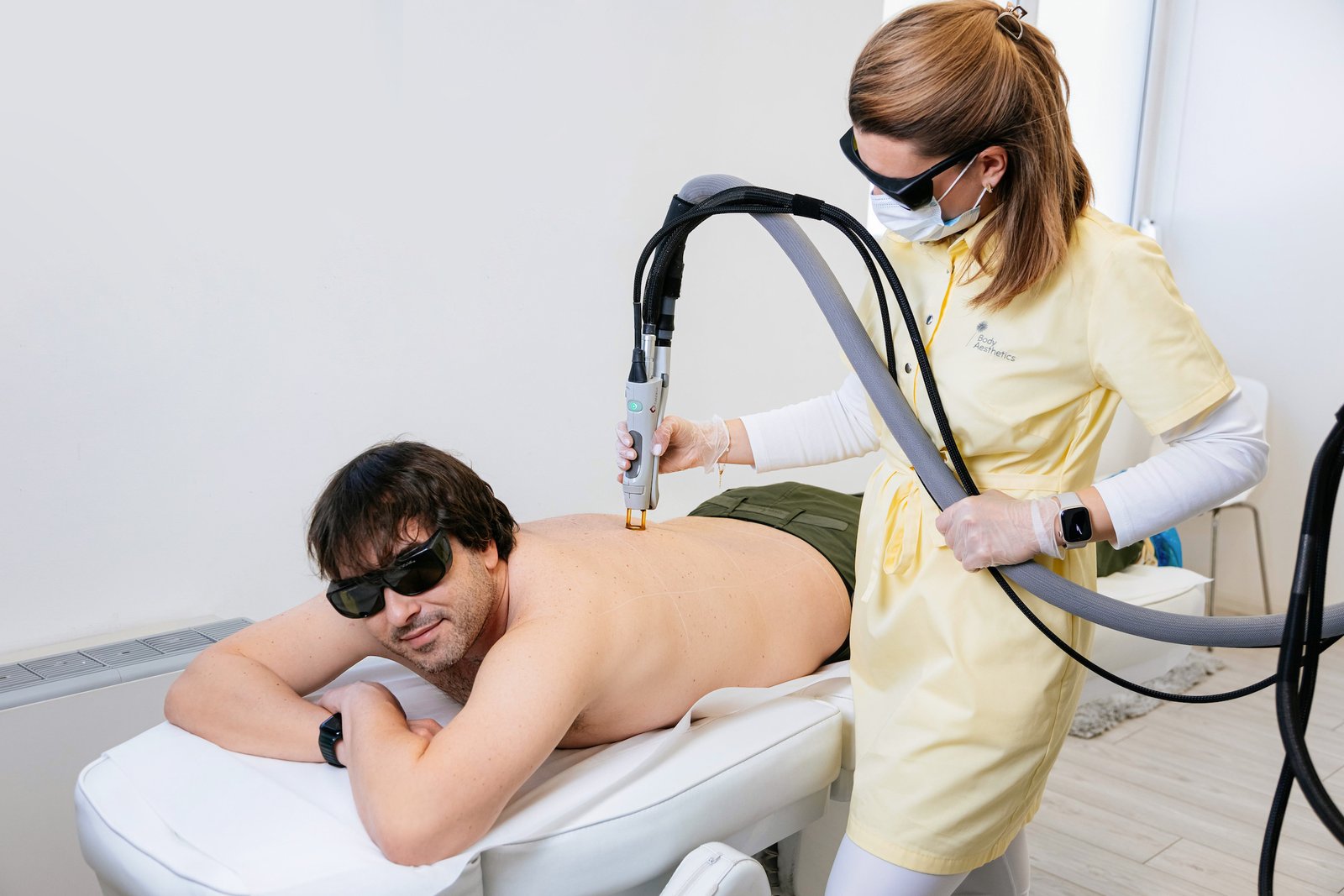 No, provided the correct protocols are followed.
The risk does not stem from the technology itself, but from:
- lack of judgement
- Inappropriate settings for laser hair removal
- neglecting one’s skin
Studies show that:
- the laser can change the appearance of the mole (colour, shape) – see here ResearchGate
- but these changes are not linked to the development of cancer – see the medical article on this topic here PubMed
That is an important clarification.
If you want to find out about the real risks of laser hair removal, Have a look at this article.
What happens to moles during laser hair removal?
If you’re going to a clinic where they don’t pay attention to your moles during laser hair removal, you might want to consider switching. This is a sign of poor professional training. No properly trained medical professional would carry out the treatment without taking precautions to protect your moles.
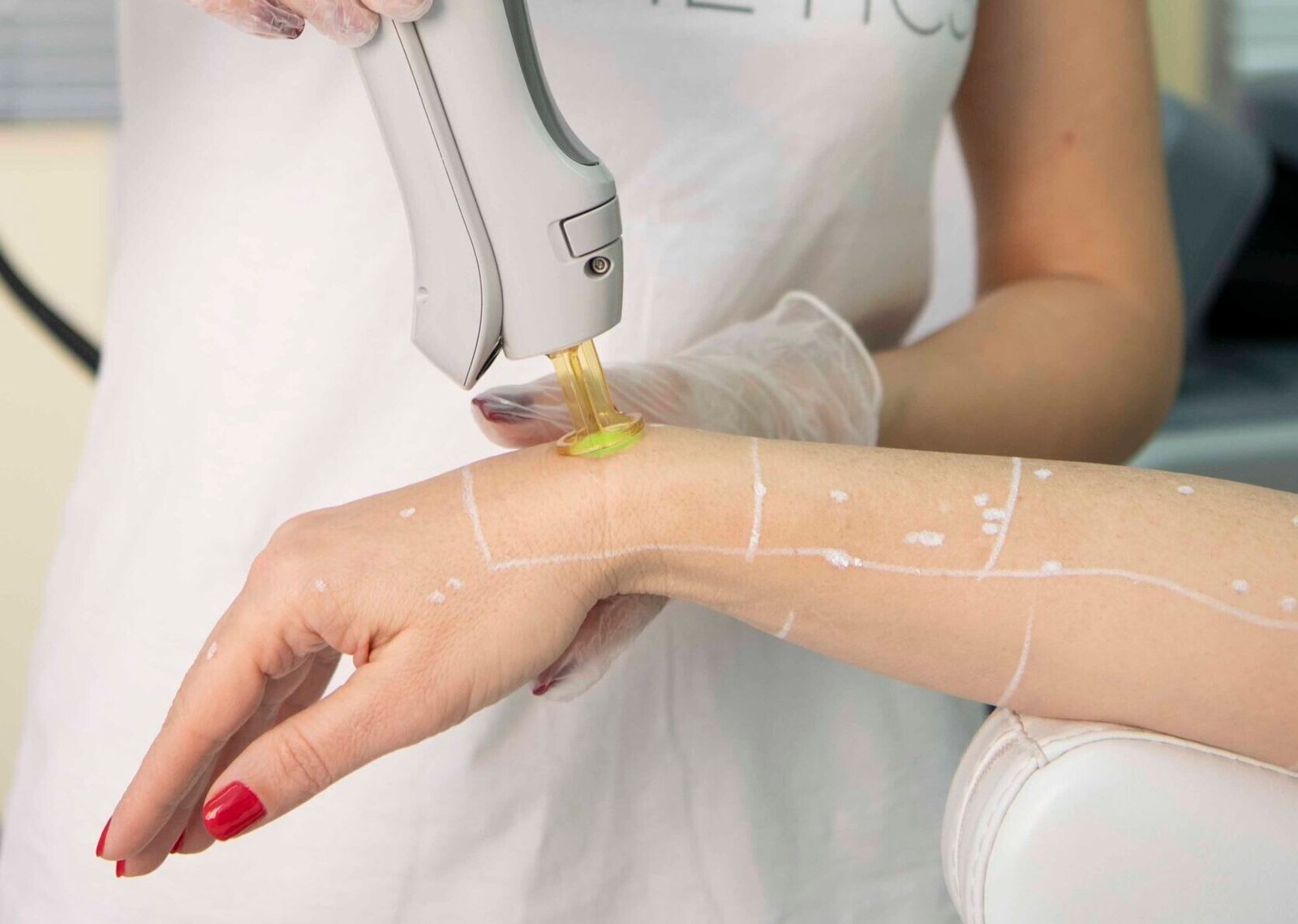
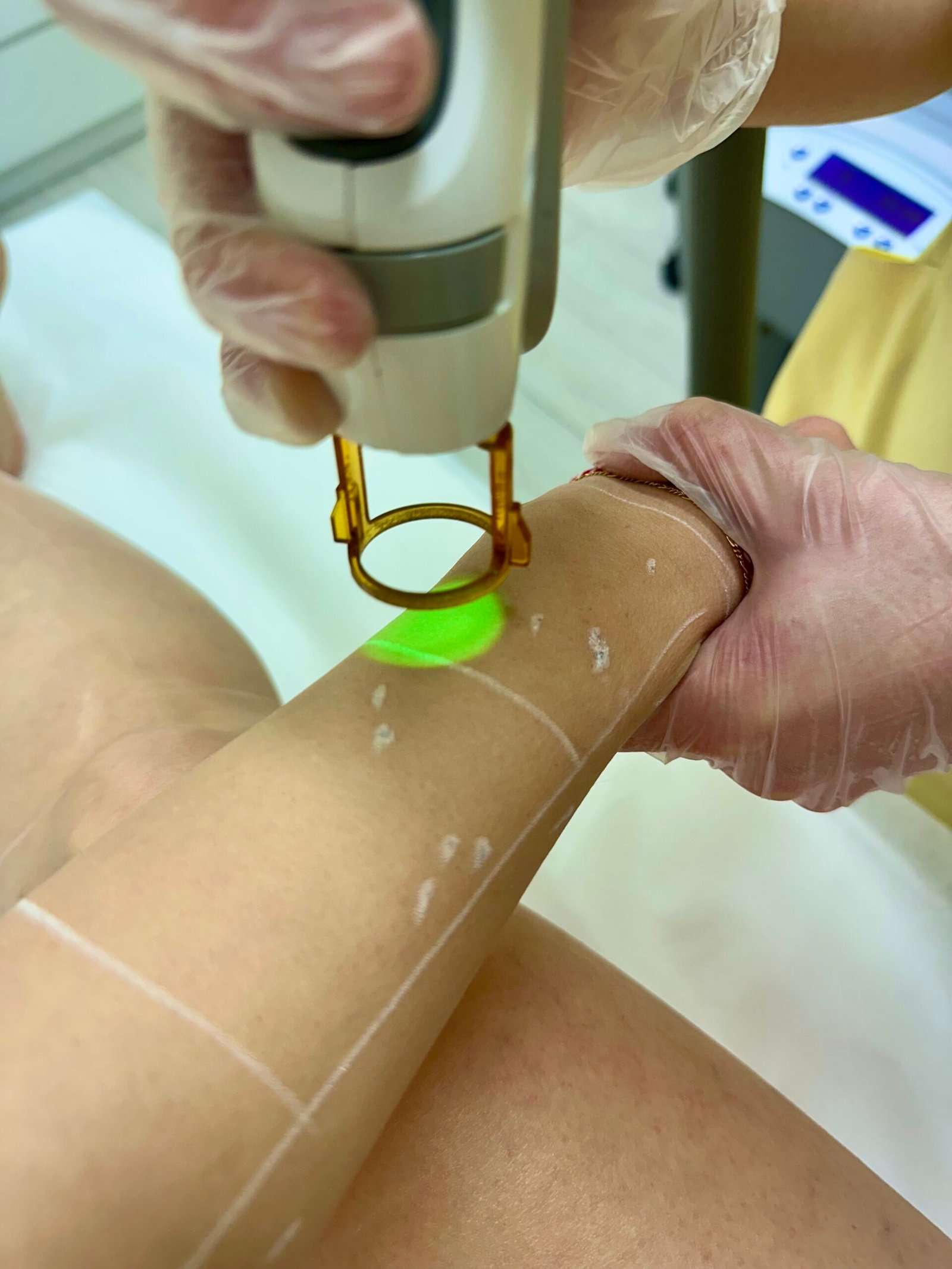
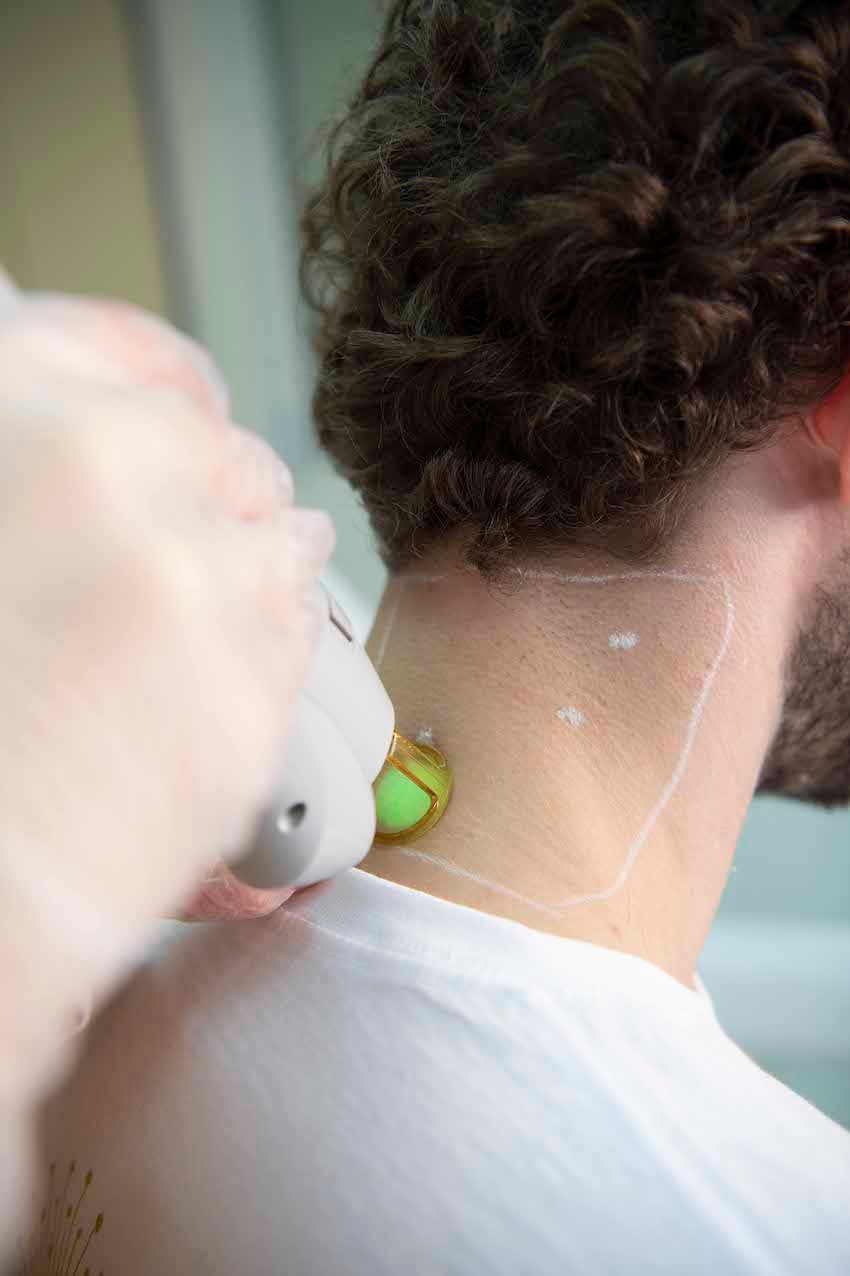 How to cover moles
- coincide with white pencil
- It is essential to completely bypass
- never „shoot“ directly with the laser
What does the specialist do?
Before the procedure:
- examines the skin
- marks the moles
- assesses which spot to use based on the density of the moles
- adjusts the settings according to skin type, body hair and moles
During the procedure:
- avoids direct contact
- work carefully around the moles, whilst ensuring that no skin is left untreated unnecessarily
- monitors the skin’s reaction
👉 In this case, the healthcare professional’s experience and knowledge are more important than the type of laser machine.
When is a procedure avoided?
There are situations in which sessions are not held if the client reports noticing something suspicious, or at the therapist’s discretion:
- a bench with irregular shape or colour
- a mole that has recently changed
- very large or raised moles
- a personal history of melanoma or any other form of cancer (no clinical trials have been conducted in such patients, and this is a safety precaution)
What happens if a mole is affected after all?
This may happen due to a therapist’s oversight, which is why we advise you to choose your centre carefully.
It could also happen if a customer moves suddenly. Or by accident.
If the mole is covered with white pencil lead and is relatively small, there may be no reaction at all.
If it is larger and darker, we usually see:
- redness after a few hours
- the formation of a light crust over the next few days
- darkening or lightening
- a temporary change to the format
- return to normal appearance after around 10–14 days
In most cases:
👉 this is making a full recovery
The most important thing we want you to know
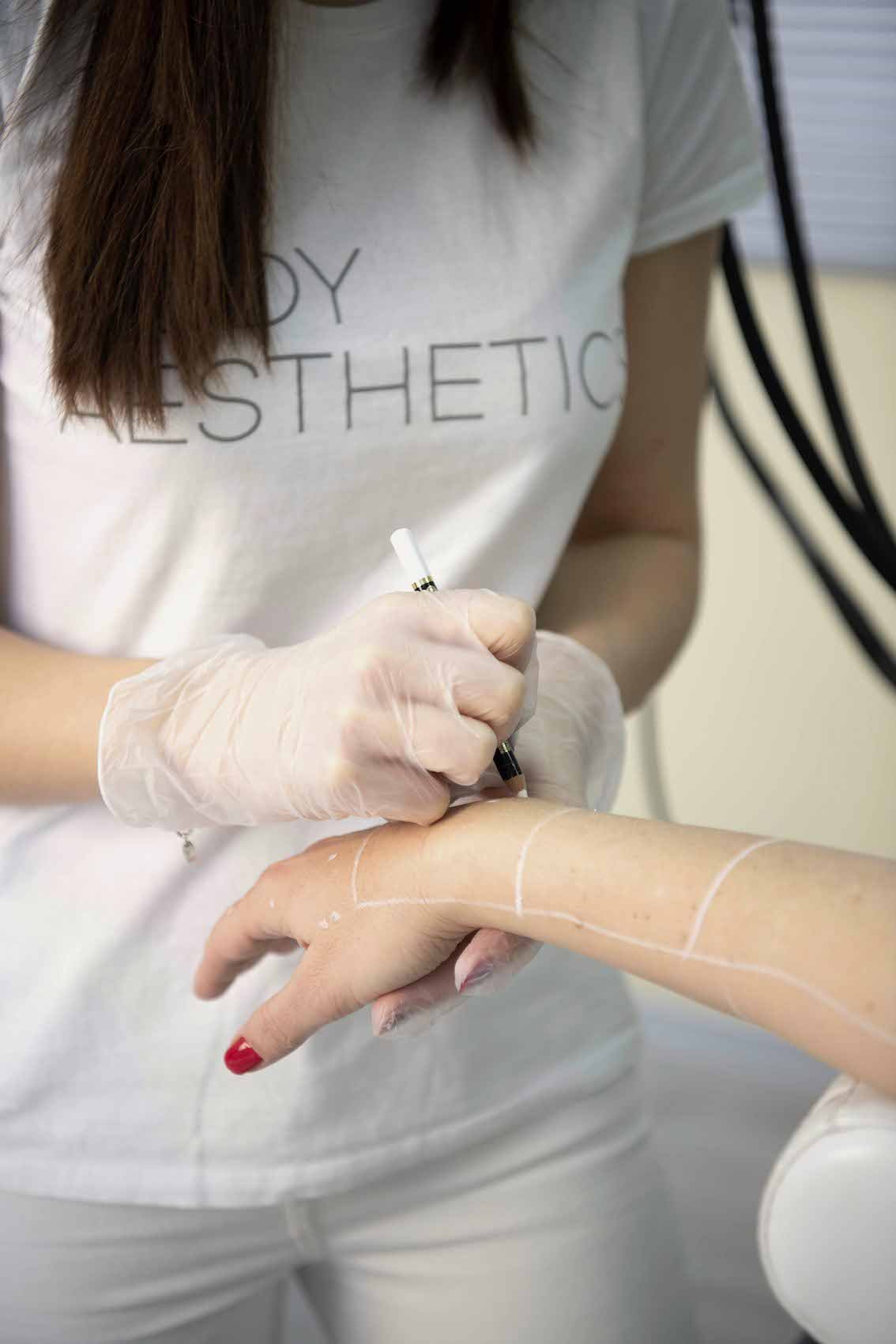 Laser hair removal is not „dangerous“ in itself.
However, the following must not be permitted:
- lack of attention
- lack of knowledge
- hurry
And safety comes from:
- sound judgement
- experience
- gentle on the skin
If you have moles and are unsure
That’s perfectly normal. Come along to our free consultation; we’ll have a look at them together and give you an honest assessment of what’s possible and what isn’t. That way, you can decide calmly, without any pressure, whether you’d like to go ahead with the procedure.
Frequently Asked Questions
Is laser hair removal dangerous if you have moles?
+
Not when it is done correctly. Moles are not treated directly, but are covered or worked around, which makes the procedure safe.
Can a laser burn off a mole?
+
Yes, if the mole isn’t protected. That’s why professionals always cover it up and avoid it. Moles contain more pigment and can absorb more energy.
What happens to moles during the procedure?
+
For your safety, moles should:
- They mark it with a white pencil
- They overlap
- They are completely bypassed
Is laser hair removal safe if I have a lot of moles?
+
Yes, but the procedure requires more care. When there are a lot of moles, the specialist works more slowly and meticulously to protect each individual area.
What happens if the laser hits a mole?
+
In most cases, there may be some slight redness or a small scab. This is usually temporary and clears up quickly, but the area should be monitored.
When should laser hair removal not be carried out on moles?
+
The procedure is not carried out on moles that have recently changed shape, have irregular borders or an unusual colour, or where there are medical concerns regarding the risk.
Can laser hair removal cause cancer?
+
No. There is absolutely no scientific evidence that laser hair removal causes cancer. The laser uses non-ionising energy, which does not damage the DNA of cells.
The material Is laser hair removal dangerous if you have moles, and what happens if a mole gets „burned“ during the treatment? was first published on Body Aesthetics.
 Laser light is absorbed by the pigment (melanin) in the hair.